Week 8: Who wins and who loses in a war on poverty?
DVST 6901: The global politics of development (Semester 2,
2026)
September 21, 2026
Development policy and practice will inevitably lead to a clash between cultures and distinct ways of imagining the individual’s place in a larger social order. For this reason intervention leads to unintended consequences.
Main reading: Ansell (2014), intro. and chaps. 4-5
What do you see?
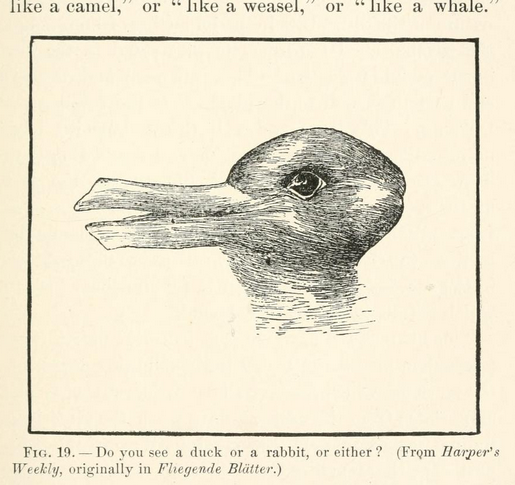
- Are there situations which feel the way or work the way that looking at this image feels?
Mentimeter poll results
- A new classroom is a possibility, but working in small groups should have a purpose.
- There is a range of levels and kinds of experience with independent library research.
- We should talk about moving from an interest to a topic.
- We should talk about how to find and to evaluate sources of information.
What’s the connection?
- guanxi
- wantok
- wasta
- many others…
Is it corruption?
Are these relationships deviations?
What are the consequences of these kinds of relationships, especially for the issues we discuss in this class?
What is a topic?
A topic is like the setting of the story.
It has a
- who
- what
- where
- when
What is a possible topic that could shed light on “intimate hierarchy”?
- How can we anchor the study of this kind of social relationship in the real world in a real place and time?
Notes
Keywords
intimate hierarchies, nostalgia
Learning outcomes
- Be able to identify examples of social forces that create the conditions for political conflicts around development initiatives
- Be able to explain the unqiue qualities of ethnographic description and interpretation and be able to formulate a view on its relevance for understanding development practice
References
Ansell, Aaron. 2014. Zero Hunger: Political Culture and Antipoverty
Policy in Northeast Brazil. Durham, N.C.: University of North
Carolina Press.
Jastrow, Joseph. 1901. Fact and Fable in Psychology. London:
Macmillan. https://archive.org/details/factfableinpsych01jast/page/294/mode/2up?q=%22Do+you+see+a+duck%2C+or+a+rabbit%22.